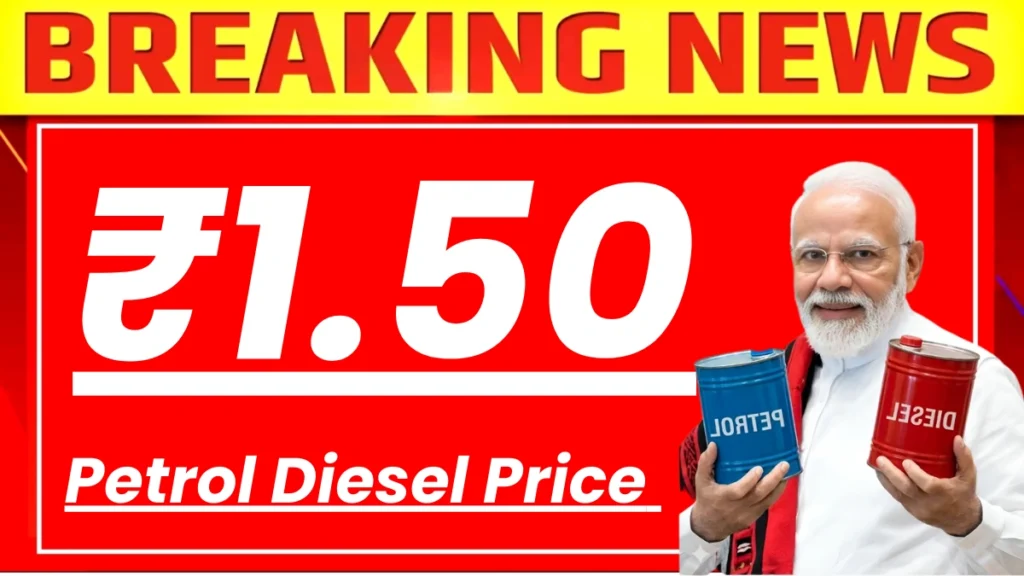
Fuel Price Relief 2026: Fuel prices influence almost every corner of daily life, from the cost of commuting to the price of vegetables at the local market. In 2026, motorists across the country have received a major boost as petrol and diesel rates have been reduced nationwide. After months of tight household budgets and rising living expenses, this decision brings tangible relief. The new pricing structure is already creating positive momentum in transport, logistics, and consumer sentiment, offering hope for greater economic stability in the months ahead.
Fuel Cut Sparks Nationwide Smile
The recent reduction in petrol and diesel rates has instantly changed the mood at fuel stations. Drivers filling their tanks are noticing a clear drop in per-litre prices, and the savings are adding up faster than expected. For two wheeler riders, daily commuters, and commercial vehicle owners, the relief is practical and measurable. Even a few rupees less per litre can translate into substantial monthly savings, especially for families managing tight budgets.
Global Crude Trends Favor Consumers
One of the major reasons behind the 2026 fuel price relief is the softening of international crude oil prices. Increased production from oil exporting nations and relatively stable global supply chains have reduced pressure on importing countries. When crude oil becomes cheaper in the global market, domestic fuel prices often get room to adjust downward. Combined with a stable currency exchange environment, this has allowed authorities to pass on benefits directly to consumers.
Tax Adjustments Ease Pressure
Apart from global factors, internal tax restructuring has also contributed to the price reduction. Certain revisions in central excise duties and state-level VAT policies have created additional space for lowering retail fuel rates. These changes are designed to strike a balance between revenue needs and public affordability. By recalibrating taxes rather than imposing additional burdens, policymakers have ensured that the relief reaches both urban and rural consumers alike.
Direct Impact On Daily Commuters
For millions of office workers, students, and small business operators, daily travel is unavoidable. Reduced petrol prices mean lower weekly refueling costs. Over a month, these savings can be redirected toward essentials such as groceries, school fees, or savings plans. For households with multiple vehicles, the combined benefit becomes even more noticeable. The psychological relief of not worrying about sudden price spikes also improves overall consumer confidence.
Diesel Drop Strengthens Logistics
Diesel plays a crucial role in powering trucks, buses, tractors, and commercial fleets. The reduction in diesel rates has brought immediate benefits to logistics companies and agricultural transporters. Lower operating costs help stabilize freight charges, which directly influences the final price of goods. From fresh produce to industrial materials, cheaper transport reduces cost pressure across supply chains, supporting both businesses and consumers.
Inflation Gets Breathing Space
Fuel prices are closely linked to inflation. When transportation becomes expensive, the cost of goods and services tends to rise. With petrol and diesel rates now reduced, inflationary pressure could ease in the coming months. Lower fuel costs can help prevent price hikes in essential commodities, including food and daily household items. Economists suggest that this move may support broader price stability and contribute to a healthier economic environment.
Rural Economy Feels The Boost
The rural economy depends heavily on diesel-powered machinery, irrigation pumps, and transport vehicles. Reduced diesel prices lower farming input costs and improve profit margins for farmers. This is particularly important during harvest seasons when transportation plays a critical role. Cheaper fuel can also make rural goods more competitive in urban markets, strengthening the connection between agricultural producers and city consumers.
Small Businesses Gain Confidence
Small enterprises such as delivery services, taxi operators, auto drivers, and local vendors rely on consistent fuel expenses to maintain profitability. A reduction in petrol and diesel rates offers them breathing room. Lower costs can either increase their earnings or allow them to keep service prices competitive. This added stability encourages expansion, hiring, and reinvestment in business operations, supporting grassroots economic growth.
Consumer Spending Could Rise
When households save money on essential expenses like fuel, they often redirect that savings toward discretionary spending. This may include dining out, shopping, entertainment, or short trips. Increased consumer spending stimulates various sectors, including retail and hospitality. The 2026 fuel price relief has the potential to create a ripple effect, encouraging broader economic activity beyond transportation.
Environmental Debate Continues
While lower fuel prices bring financial relief, they also renew discussions about sustainable energy use. Affordable petrol and diesel may temporarily slow the shift toward electric vehicles and alternative energy adoption. However, experts argue that balanced fuel pricing combined with clean energy incentives can ensure that economic relief does not come at the cost of environmental goals. Policymakers continue to explore strategies that support both affordability and sustainability.
Stability Remains Key Concern
Consumers are welcoming the current reduction but remain cautious about long-term volatility. Fuel prices are influenced by global geopolitics, supply disruptions, and currency fluctuations. Authorities have indicated their intention to monitor global markets closely and maintain reasonable domestic pricing whenever possible. Long-term stability will depend on sustained global supply balance and prudent domestic fiscal management.
Final Word: Fuel Price Relief 2026
The 2026 nationwide petrol and diesel rate reduction marks a meaningful step toward easing financial pressure on households and businesses. From direct savings at the pump to indirect relief through lower transportation costs, the benefits extend across multiple sectors. While global uncertainties can never be fully eliminated, the current move strengthens consumer confidence and supports economic momentum. For now, drivers and businesses alike can move forward with renewed optimism, knowing that fuel affordability is once again working in their favor.
Disclaimer: This article is for informational purposes only. Fuel prices may vary by location and time. Readers should verify current petrol and diesel rates with official government sources before making decisions.